
Introduced flora
 Eschscholzia californica
Feral species are those that have adapted to the local environment and spread spontaneously within the Canary Islands’ ecosystems. Most are plants that have escaped from ornamental or agricultural cultivation. The trees were mainly introduced after the conquest of the islands for food purposes, and today form part of the landscape and local cuisine, such as fig trees, prickly pear cacti, chestnut trees and walnut trees.
Fruit trees form a significant part of the Islands’ agricultural production, although the species grown have varied over the centuries, shifting from those cultivated for personal consumption and small-scale trade—such as pears, loquats or apricots, to those grown on large plantations for export, such as papayas, tropical pineapples, avocados, guavas or mangoes. Ornamental plants constitute the largest group and have been introduced for cultivation in private or public gardens. For the most part, these are species of tropical and subtropical origin, which are perfectly suited to the temperate climate of the Canary Islands.
The greatest danger posed by introduced flora is that many species have become invasive, competing with the native flora of the Canary Islands, sometimes leading to the extinction of entire plant communities. The most extreme case is that of the rabogato (Pennisetum setaceum), which is colonising many areas of the islands in an increasingly aggressive manner.
 Abutilon grandifolium
 Datura innoxia
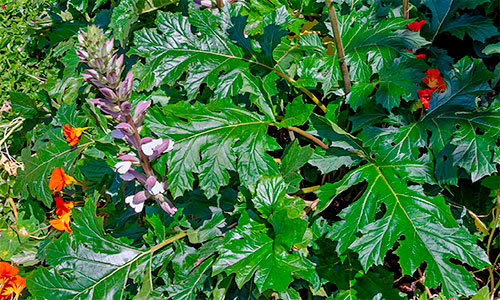 Acanthus mollis
 Agave americana
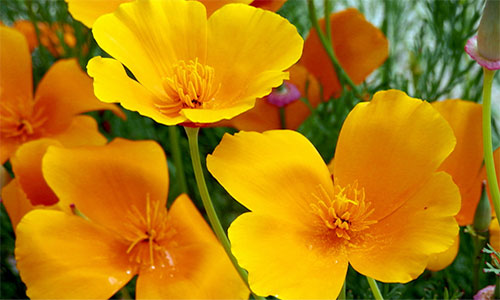 Eschscholzia californica
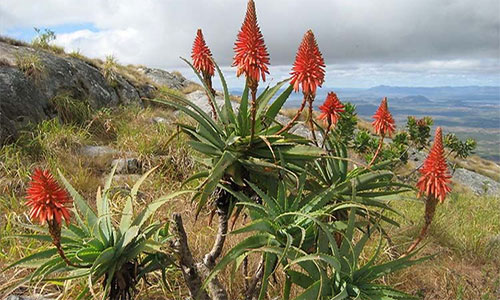 Aloe arborescens
 Datura stramonium
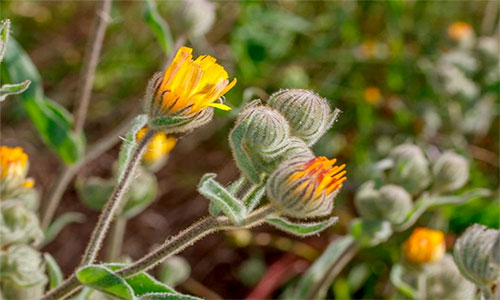 Andryala laxiflora
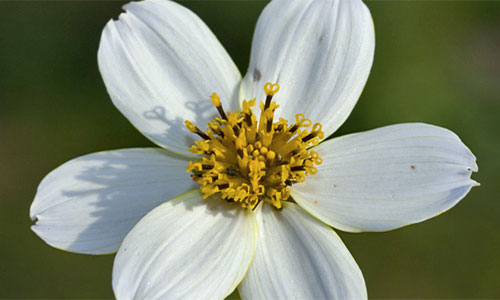 Bidens aurea
 Argemone mexicana
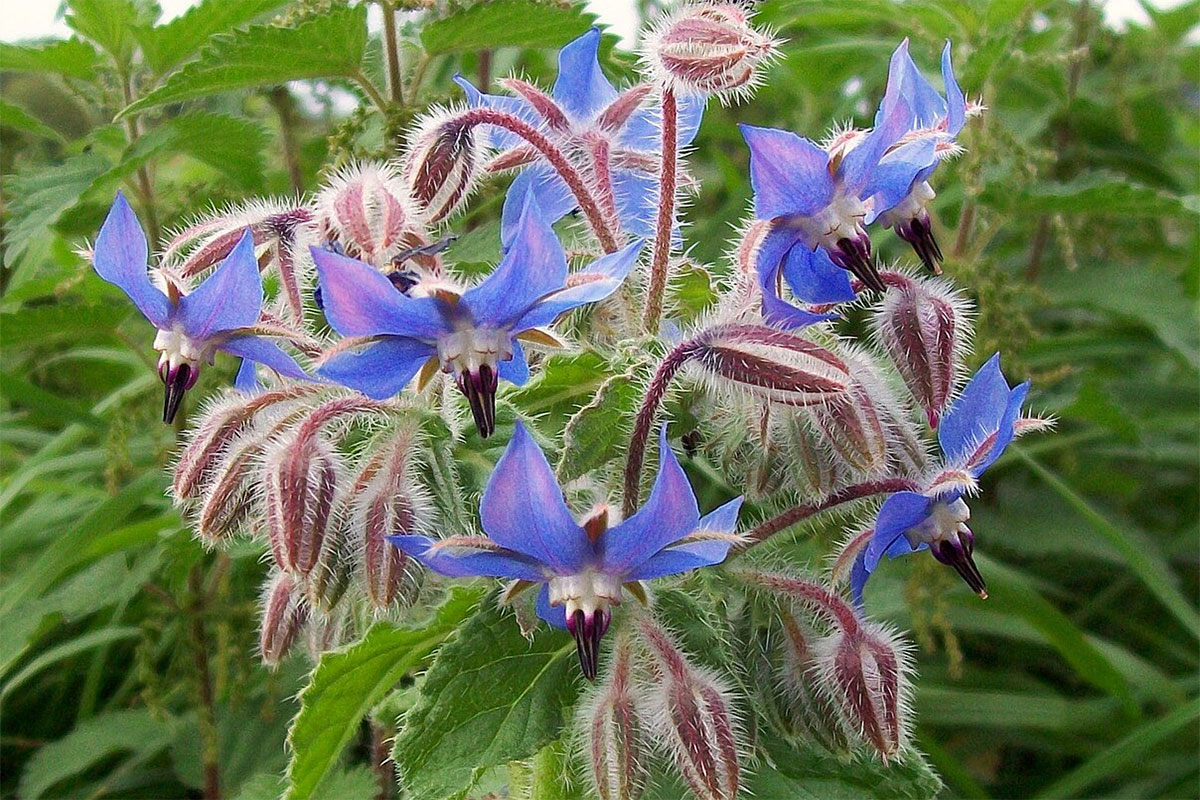
 Borago officinalis
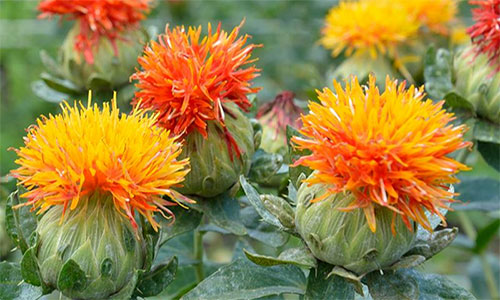 Carthamus tinctorius
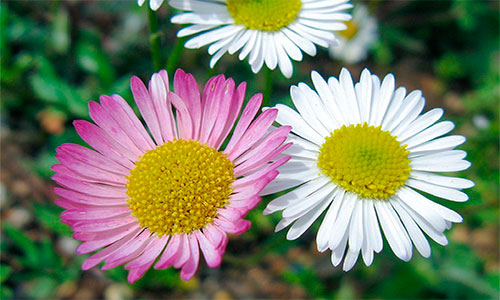 Erigeron karvinskianus
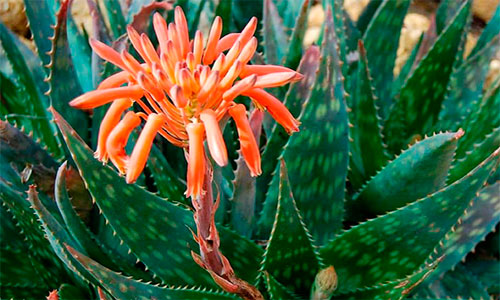 Aloe maculata
 Hydrangea macrophylla