
Species
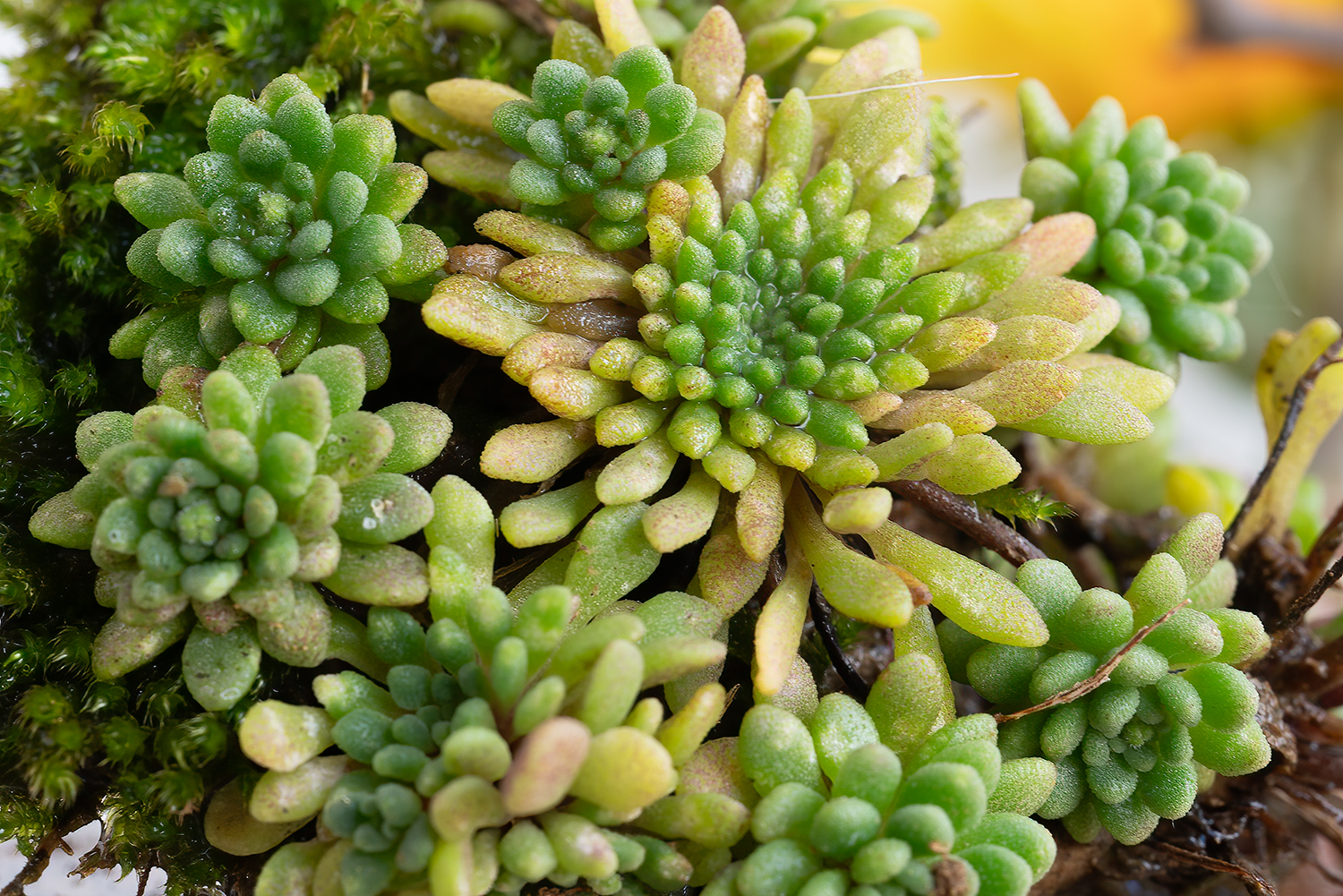 Monanthes brachycaulos
The vascular flora of the Canary Islands comprises around 2,400–2,500 species, of which around 700 are endemic, some 100 are shared with other Macaronesian archipelagos, such as the Azores or Madeira, and around 600 are of Mediterranean-African origin, with the remainder being introduced species.
However, the slow but steady deterioration of natural habitats, the indiscriminate use of many of these species by humans, and the major changes the Islands’ natural environment has undergone in recent times have had a negative impact on this remarkable flora, resulting in at least four species being considered extinct, some 120 being endangered, and many others falling into the ‘rare’ or ‘vulnerable’ categories.
More info...
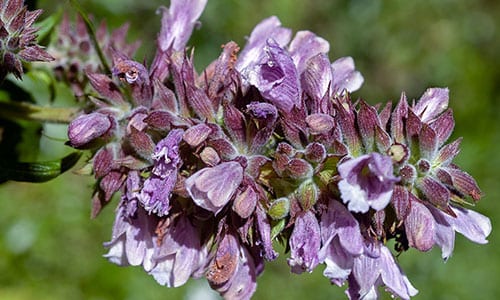 Cedronella canariensis
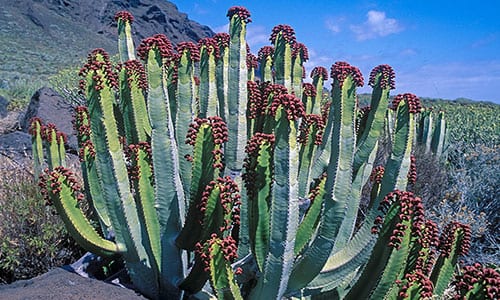 Euphorbia canariensis
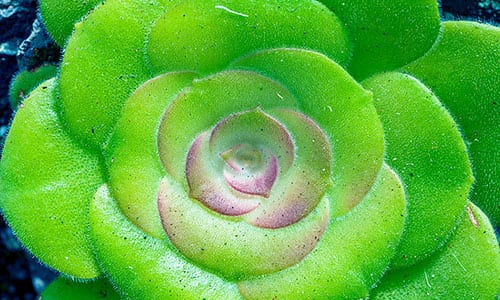 Aeonium canariense
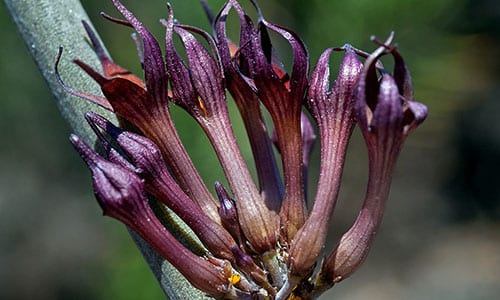 Ceropegia fusca
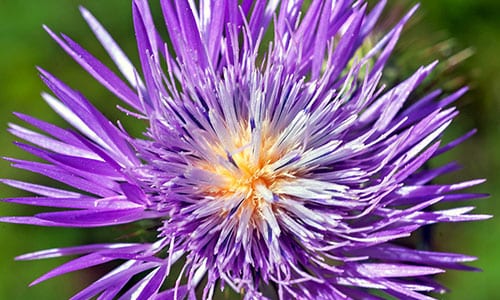 Galactites tomentosus
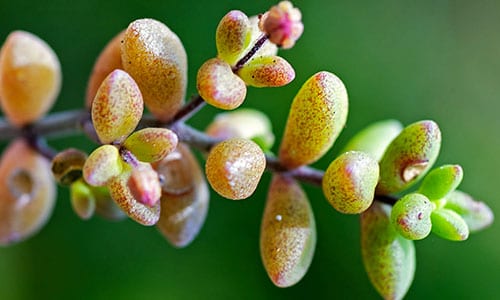 Monanthes laxiflora
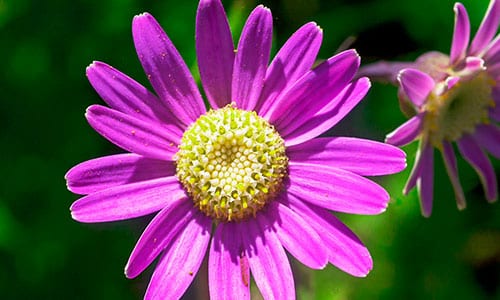 Pericallis tussilaginis
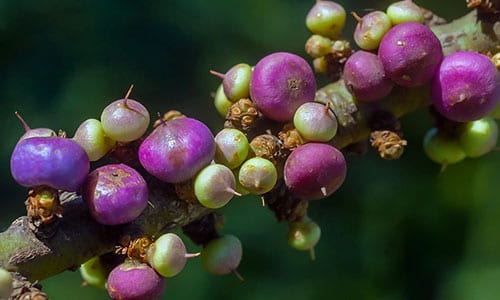 Pleiomeris canariensis
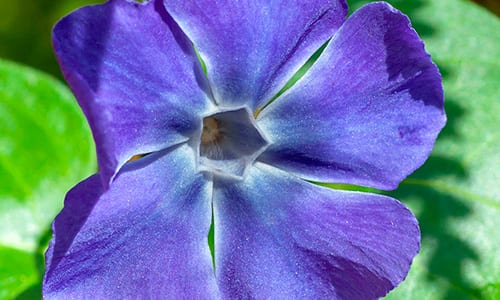 Vinca major
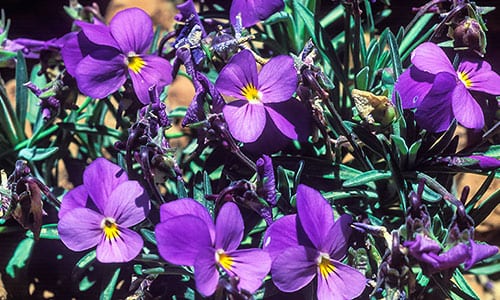 Viola cheiranthifolia
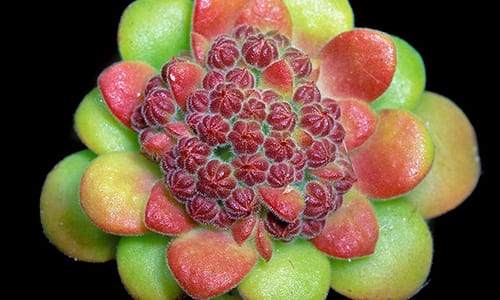 Aeonium lindleyi
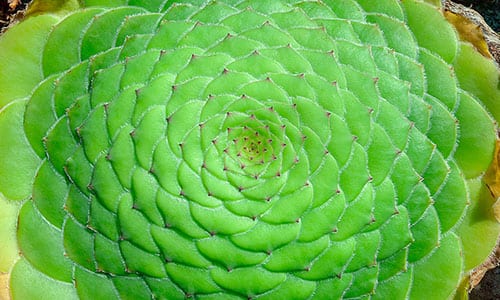 Aeonium tabuliforme
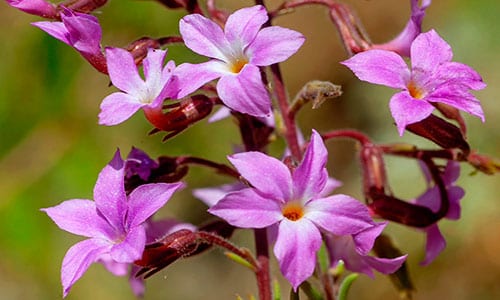 Campylanthus salsoloides
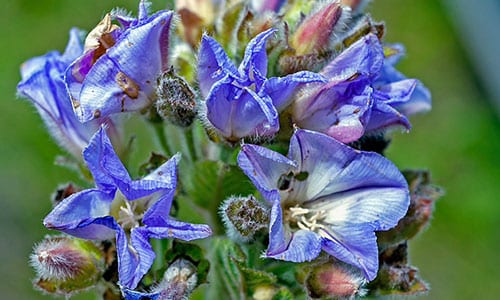 Convolvulus canariensis
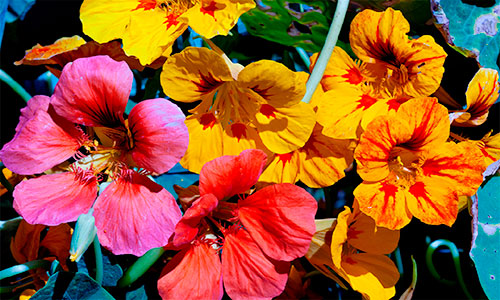 Tropaeolum majus