
Endemic flora
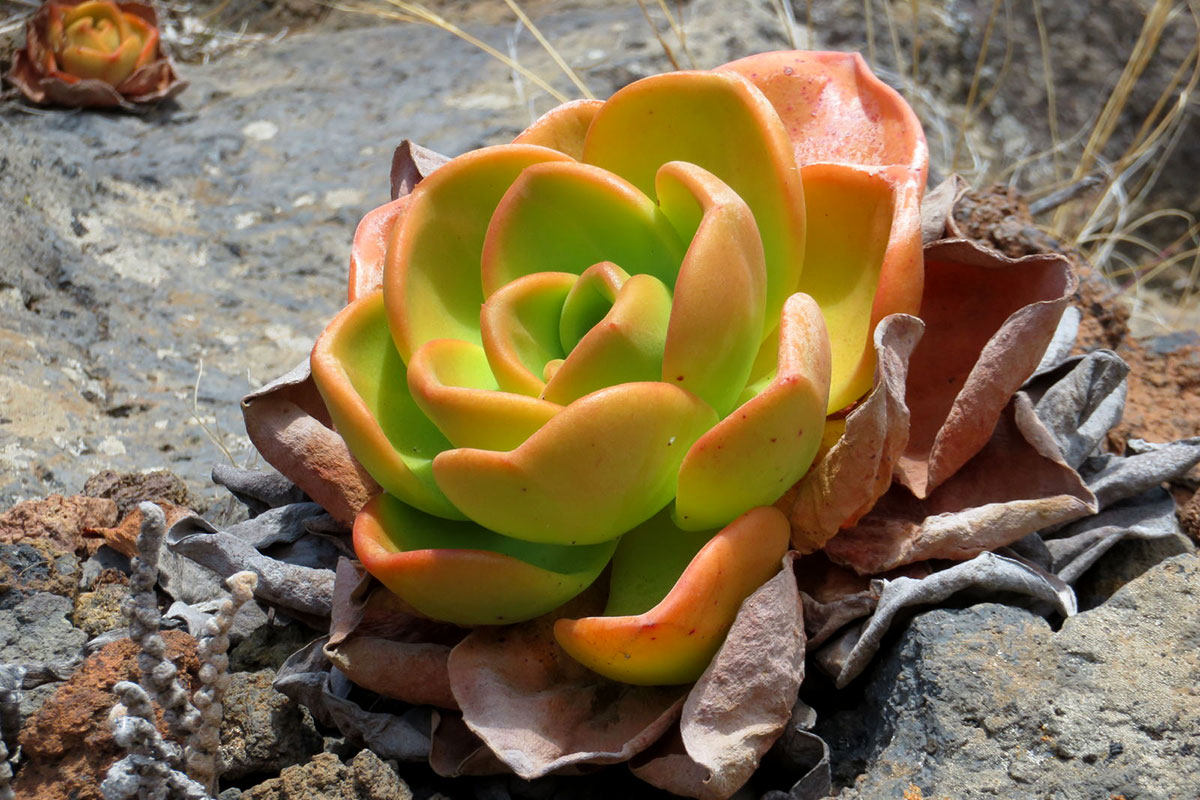 Aeonium nobile
Due to their geographical location, climatic, topographical and edaphic characteristics, and their territorial fragmentation, the Canary Islands boast a wide variety of habitats that create highly favourable conditions of isolation for the emergence of numerous new species. Thus, covering barely 1.5 per cent of the total area of Spain, the Canary Islands are home to half of the country’s endemic flora, which gives our archipelago significant scientific importance and the status of a national and global ecological reserve.
Of the total of around 2,450–2,500 species that make up the natural flora of the Canary Islands, the number of endemic species stands at around 700, representing approximately 25% of all the vascular flora of the Canary Islands, making our territory one of the oceanic island regions with the highest concentration of endemic species in the world. Although the exact figures for the number of endemic species vary, the estimated numbers of endemic species for each island are as follows: Tenerife just over 120, Gran Canaria around 100, La Palma around 40, La Gomera around 30, Lanzarote around 20, El Hierro around 18, and Fuerteventura around 15.
Más info...
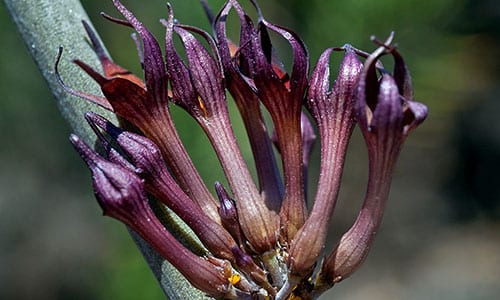 Ceropegia fusca
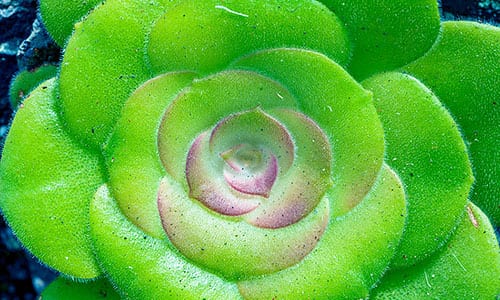 Aeonium canariense
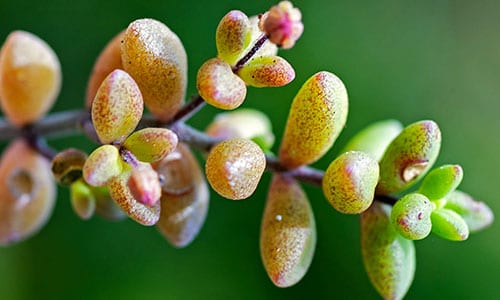 Monanthes laxiflora
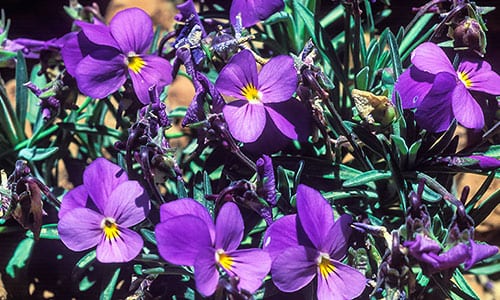 Viola cheiranthifolia
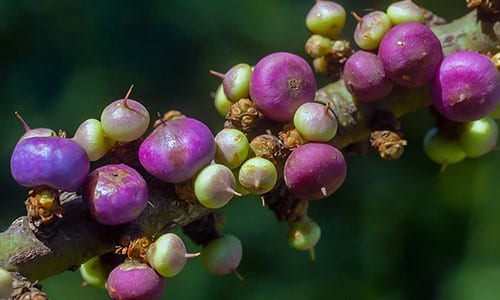 Pleiomeris canariensis
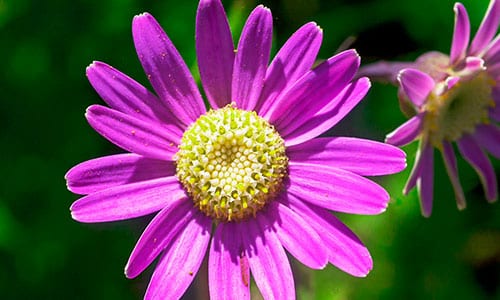 Pericallis tussilaginis
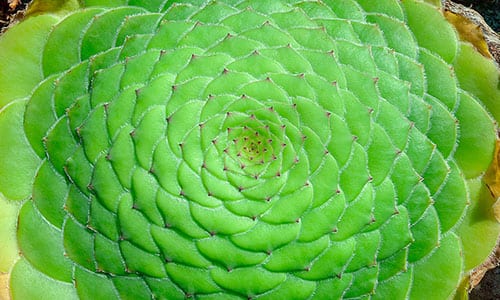 Aeonium tabuliforme
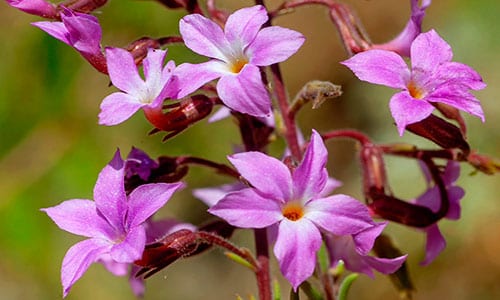 Campylanthus salsoloides
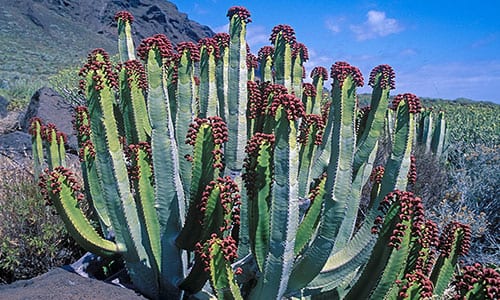 Euphorbia canariensis
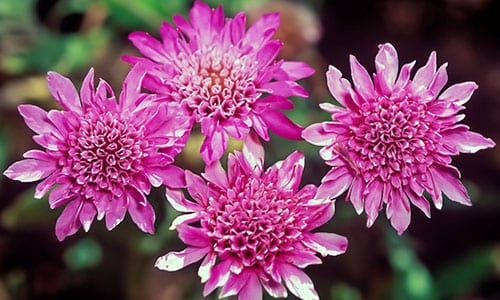 Pterocephalus porphyranthus
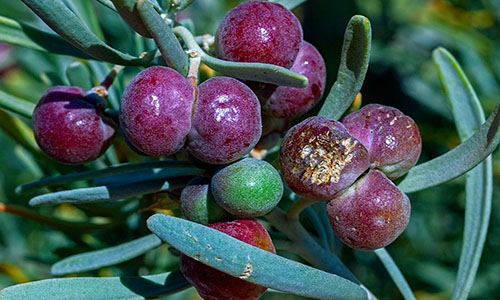 Neochamaelea pulverulenta
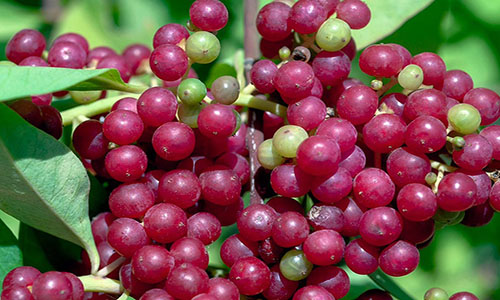 Bosea yervamora
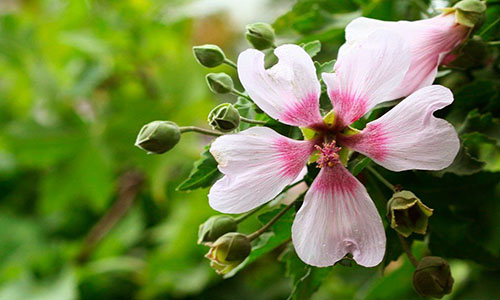 Lavatera acerifolia
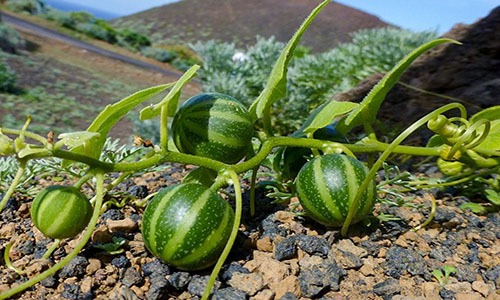 Bryonia verrucosa
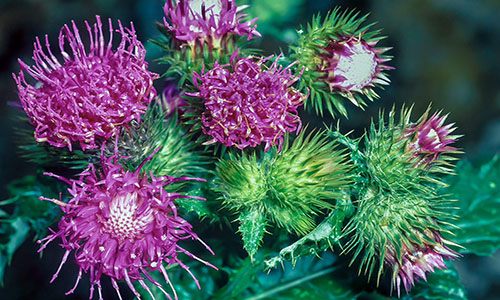 Carduus clavulatus