Canary flora > Exotic and ornamental
Lavandula stoechas
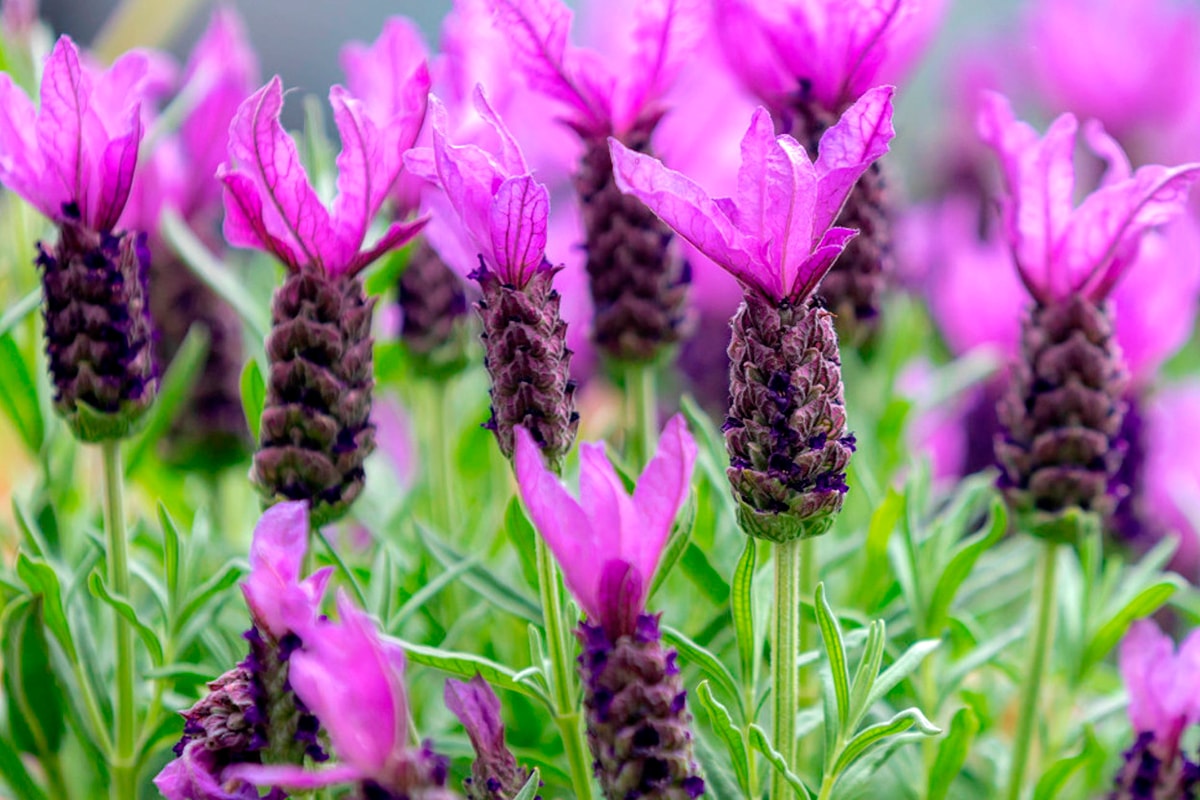
Lavandula stoechas Lam.
Spanish lavender, Topped lavender
The fruits resemble small bananas and are edible, although it is very
rare to see them in Europe, as their flowers are pollinated by a fly
that does not exist on this continent.
In its native regions, the indigenous people used the fibre obtained from its leaves to make ropes, baskets and other domestic utensils.
It is now extensively cultivated in some countries for use in the textile industry.
In some regions of South America it is planted in rows to build fences, which are almost impenetrable due to the density, rigidity and aggressively thorny finish of its leaves.
The extract of its leaves is used in the manufacture of creams for skin protection.
In its native regions, the indigenous people used the fibre obtained from its leaves to make ropes, baskets and other domestic utensils.
It is now extensively cultivated in some countries for use in the textile industry.
In some regions of South America it is planted in rows to build fences, which are almost impenetrable due to the density, rigidity and aggressively thorny finish of its leaves.
The extract of its leaves is used in the manufacture of creams for skin protection.
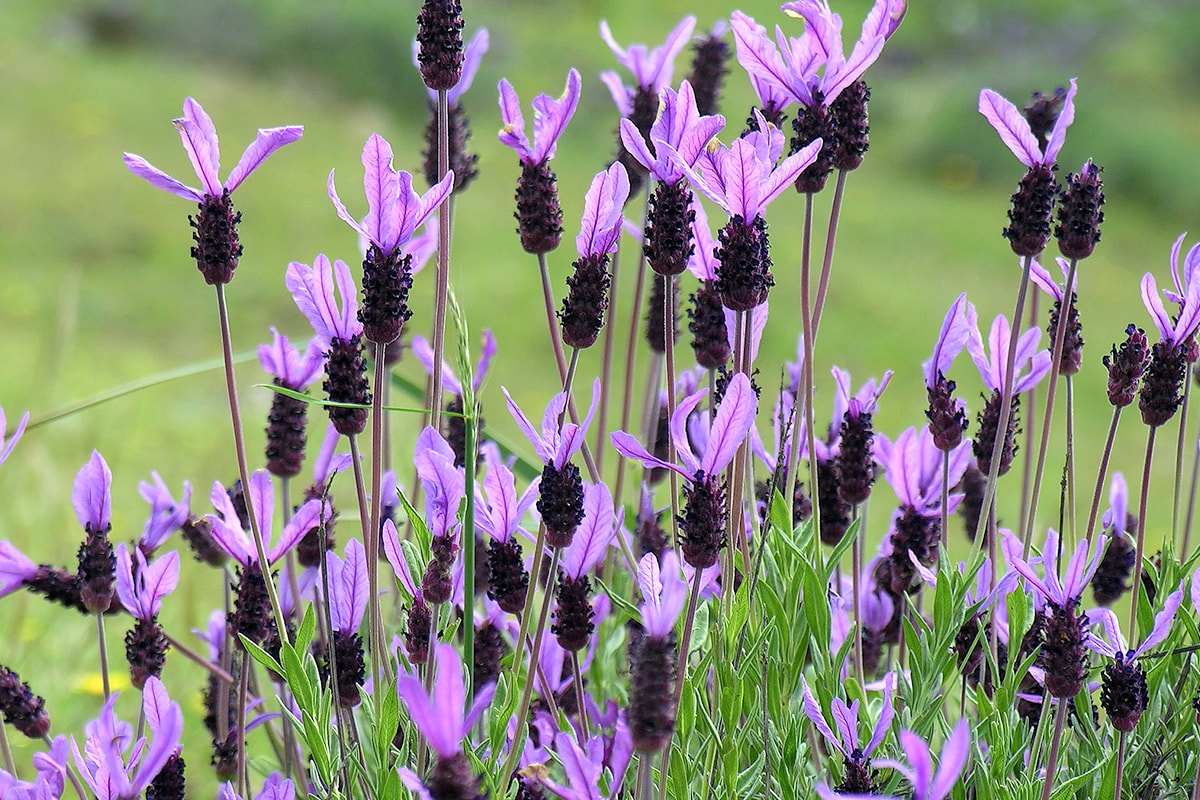
Its tiny flowers are arranged on a quadrangular spike about 3-5 cm long,
which is borne almost attached to the last leaves of the stem, or on a
short stalk, up to twice the size of the spike at the most.
This inflorescence is made up of numerous strongly imbricate whorls arranged at the corners of the spike, forming rows of about 6-14 flowers each.
The bracts are broadly elliptic to orbicular, acute, usually with a glabrous upper side and hairy underside, and greenish, brownish or violet in colour.
This inflorescence is made up of numerous strongly imbricate whorls arranged at the corners of the spike, forming rows of about 6-14 flowers each.
The bracts are broadly elliptic to orbicular, acute, usually with a glabrous upper side and hairy underside, and greenish, brownish or violet in colour.
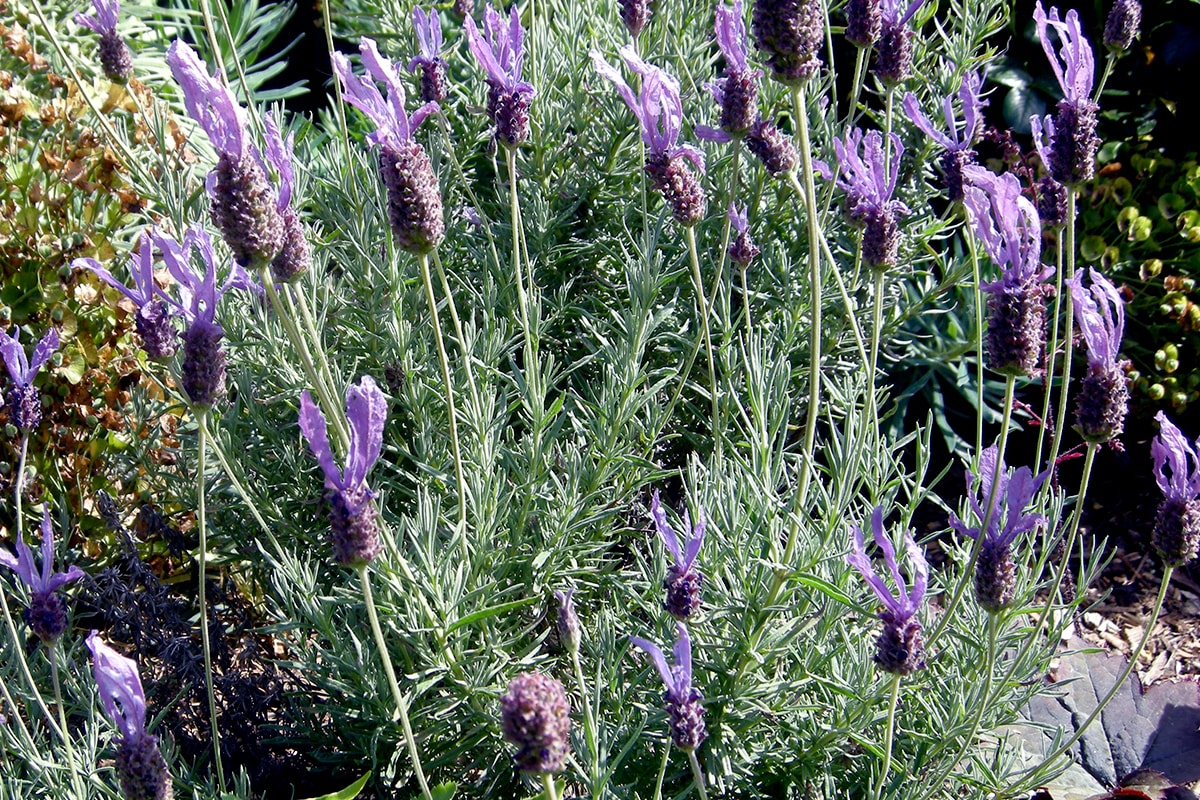
The calyx is broadly elliptical, with four acute teeth and one
appendiculate, sometimes with a very hairy, whitish margin, and the
corolla, about 4-5 mm in diameter, and bluish or violet in colour,
almost black at the top, is pentalobulate, with a discoloured tube, and
five lobes, the two upper ones slightly larger than the three lower
ones.
Crowning this complicated floral architecture is a showy plume of 2-5 sterile bracts, pinkish to violet in colour, which attract the attention of pollinating insects.
The fruits are very small, ellipsoid, sometimes flattened, smooth, shiny, light brown, ellipsoid nucules.
Crowning this complicated floral architecture is a showy plume of 2-5 sterile bracts, pinkish to violet in colour, which attract the attention of pollinating insects.
The fruits are very small, ellipsoid, sometimes flattened, smooth, shiny, light brown, ellipsoid nucules.