

Gran Canaria
Gran Canaria is an island situated in the Atlantic Ocean, forming part of
the autonomous community of the Canary Islands in Spain. With an area of
1,560.1 km² and a highest point of 1,956 metres at Morro de la Agujereada,
Gran Canaria is the third-largest island in the archipelago in terms of both
area and altitude.The island’s capital, Las Palmas de Gran Canaria, is the most populous city in the Canary Islands with 381,223 inhabitants. The city, founded in 1478, was considered the sole de facto capital of the Canary Islands until the 17th century. The towns and villages surrounding the capital form a metropolitan area of around 680,000 inhabitants, the largest in the Canary Islands and the ninth largest in Spain. The city is home to one of the most important ports in Spain and the European Union, the Port of La Luz and Las Palmas.
The island is one of Spain’s leading tourist destinations, attracting nearly five million tourists annually.
The Las Palmas de Gran Canaria Carnival, designated a Festival of National Tourist Interest, is one of the island’s most important events and enjoys significant national and international recognition.
Since 2005, a large part of the island and its adjacent coastline – with the land area covering 46 per cent of the island’s territory in its western half – has been designated a UNESCO Biosphere Reserve.
Furthermore, Gran Canaria boasts a rich historical, cultural and artistic heritage, notably including the Casa de Colón Museum, which, with 165,000 visitors in 2017, is the most popular museum in the Canary Islands; which commemorates the admiral’s time on the island prior to his first voyage to discover the Americas, and the Cathedral of the Canary Islands, considered the most important monument of Canarian religious architecture.

Dunas de Maspalomas

Artenara

Presa de las Niñas

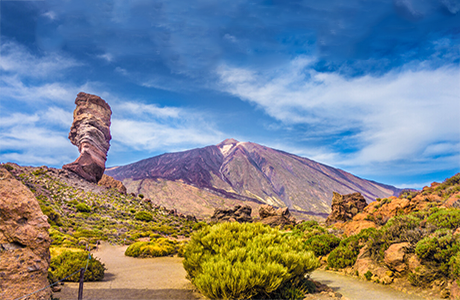
Roque Nublo

Tejeda

Ayacata

Los Tilos de Moya


Canariavision
Visual Guide to the Canary Islands
Visualcuba
 Visual Guide to Cuba
Camaravision
 Digital Art Photography