
National Parks
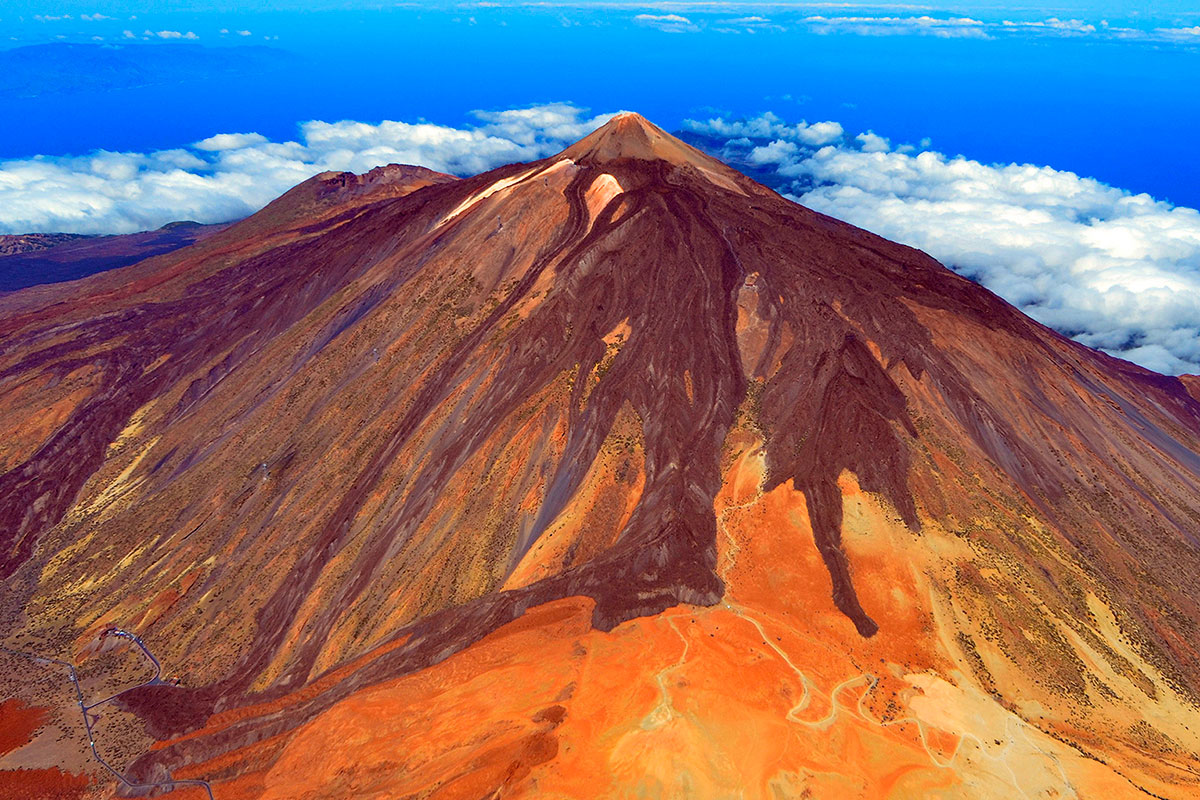 Parque Nacional del Teide
Established in 1954, Teide National Park is situated in the centre of the island of Tenerife and is the largest and oldest of the Canary Islands’ national parks. It is a natural landscape dominated by the imposing Teide volcano, Spain’s highest peak at 3,718 metres. Its landscapes of lava flows and craters, along with its wide variety of flora and fauna, are ideal for hiking, and it boasts extraordinary biodiversity comprising 194 plant species, many of which are endemic.
The Caldera de Taburiente National Park is located on the island of La Palma. Covering an area of 59 km², it is the largest caldera-shaped depression in the world, surrounded by a ring of peaks 8 km in diameter. It is a breathtaking landscape, offering spectacular panoramic views and incredible rock formations in a wide variety of colours. Inside, there are streams that flow almost continuously through its steep ravines, impressive volcanic walls, pine forests, and unique vegetation comprising numerous endemic species.
Located on the island of Lanzarote, Timanfaya National Park is a visual spectacle of craters, lava fields and fire mountains, formed during volcanic eruptions in the 18th and 19th centuries. It is home to more than twenty-five volcanoes, some of which are iconic, such as the Fire Mountains, Mount Rajada and the Caldera del Corazoncillo. In addition to numerous features of great scientific, geological and geomorphological interest, such as hornitos, caves, malpaíses, etc.
Garajonay National Park is situated in the centre of the island of La Gomera. The main feature of Garajonay is the dense laurel forest that covers it, often shrouded in a sea of clouds. It is a magical place, with wonderful trails, extraordinary ancient trees and varied vegetation, including mosses, lichens and ferns.
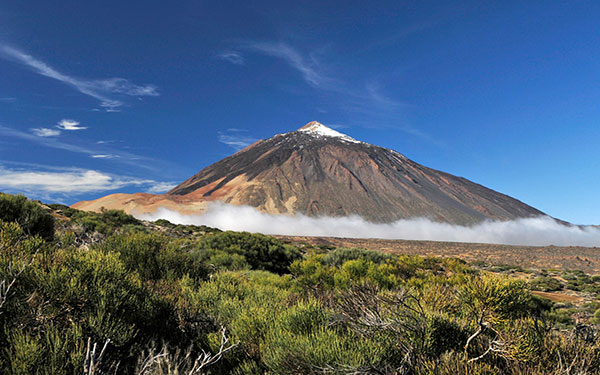 Parque Nacional del Teide
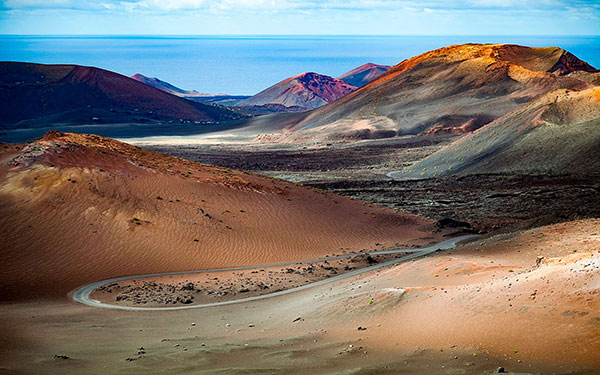 Parque Nacional de Timanfaya
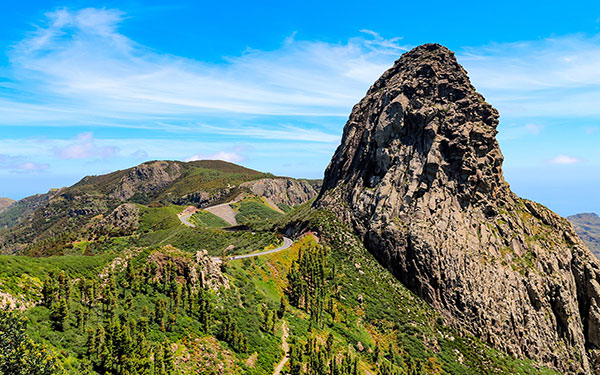 Parque Nacional de Garajonay
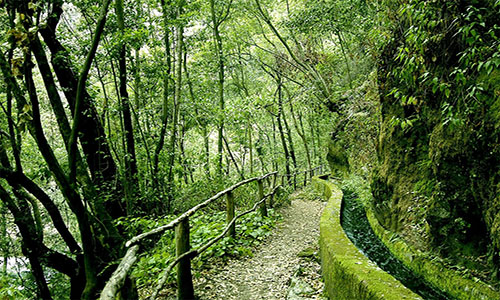 Parque Natural de Las Nieves
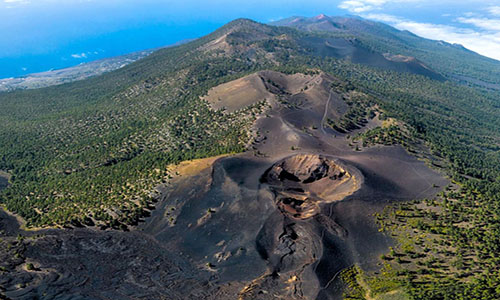 Parque Natural de Cumbre Vieja
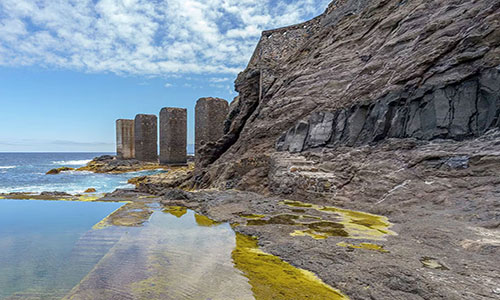 Parque Natural de Majona
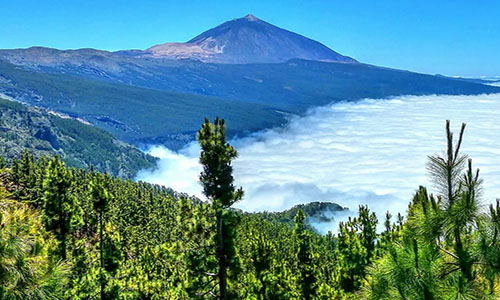 Parque Natural de la Corona Forestal
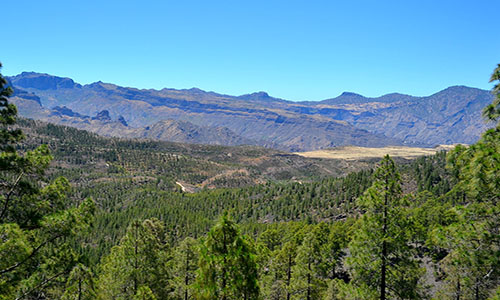 Parque Natural de Tamadaba
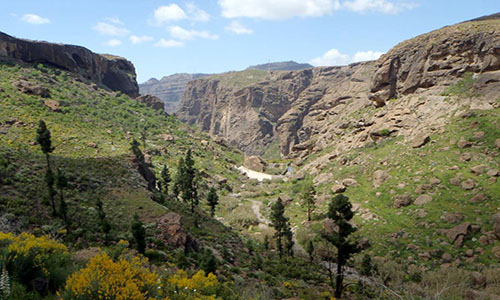 Parque Natural de Pilancones
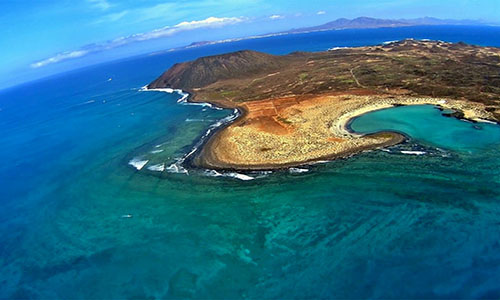 Parque Natural del Islote de Lobos
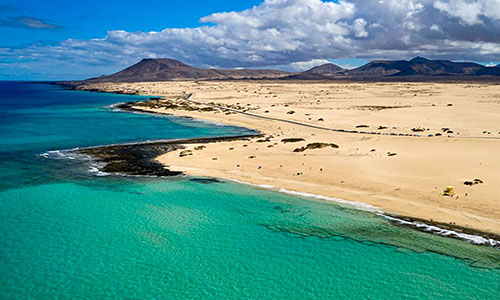 Parque Natural de Corralejo
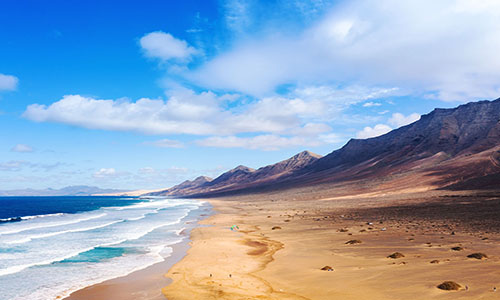 Parque Natural de Jandía
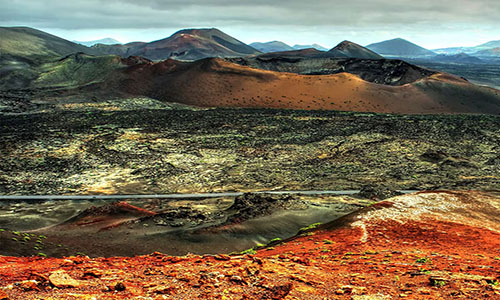 Parque Natural de Los Volcanes
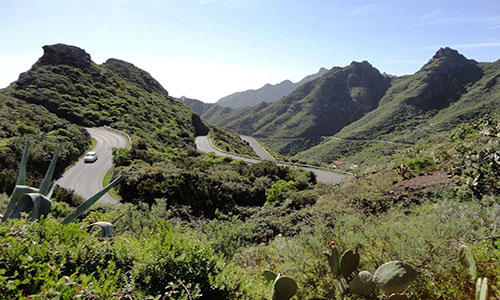 Parque Rural de Anaga
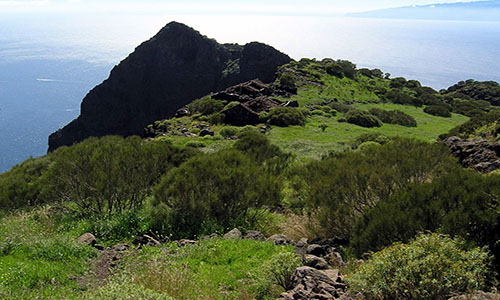 Parque Rural de Teno